Find the problem before choosing the trade
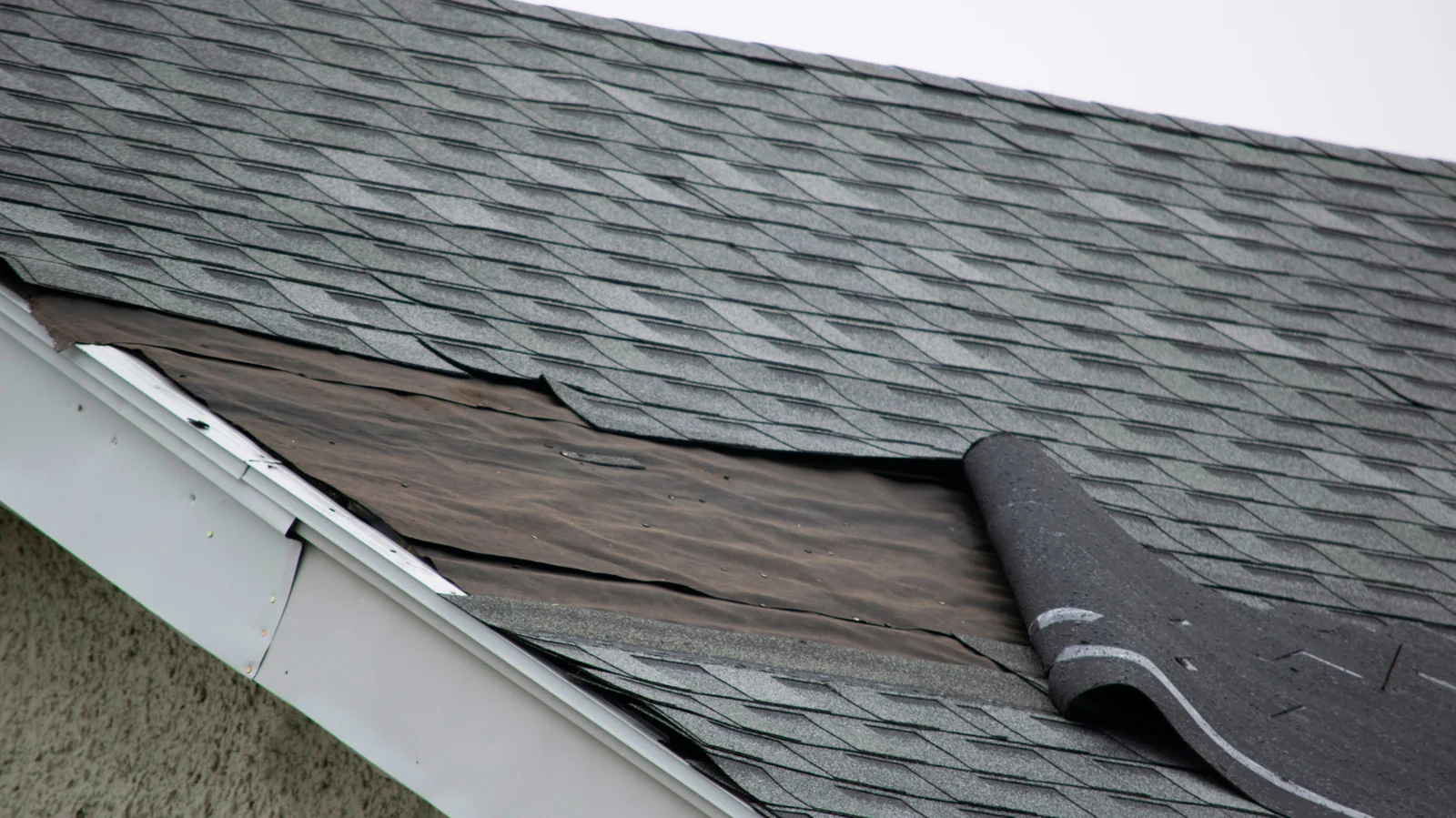
A leak at an eave or wall may involve roof flashing, an edge detail, gutter overflow or another building connection. The visible water is a clue, not a complete diagnosis.
A roofing assessment should explain the entry point and condition. Gutter and downspout work can then be defined where it is actually needed.
Coordinate the roof-edge work
A replacement may involve roof edges and flashing beside existing gutters. If the gutters are removed, replaced or left in place, the agreement should identify the responsibilities and sequence.
One company may offer both services, or separate providers may coordinate them. The directory should show actual offered work rather than assume every roofer handles the entire exterior.
Follow the discharge beyond the gutter
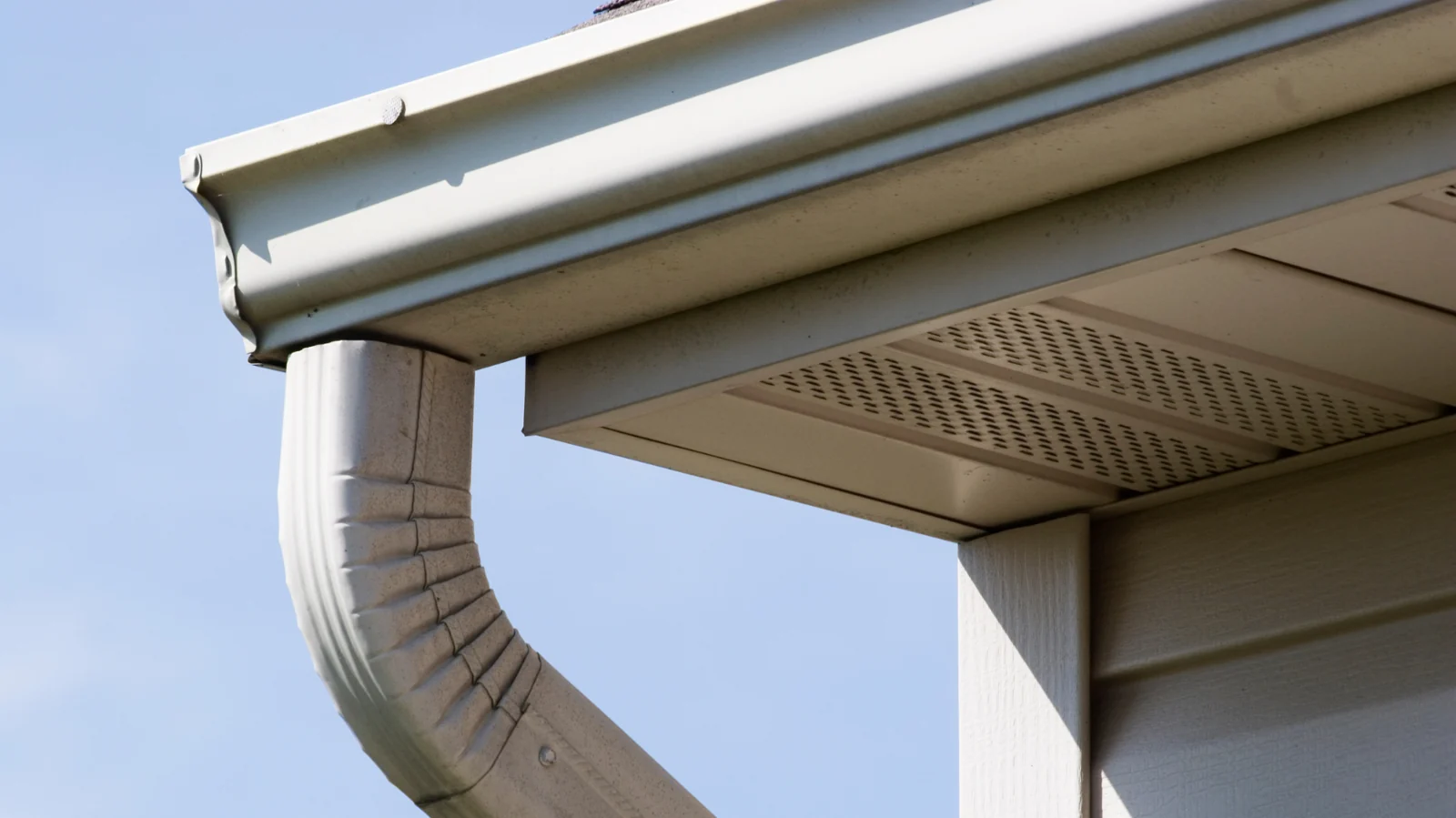
Downspouts manage water after it leaves the roof. Blocked outlets, discharge locations or ground-drainage problems may need a different solution from new shingles.
A roof replacement should not be promised as a cure for grading or foundation-water concerns. Keep the scopes separate enough to understand what each will address.
Leave maintenance understandable
Debris, damaged components and later changes can affect drainage. Keep the completed scope and relevant maintenance information together.
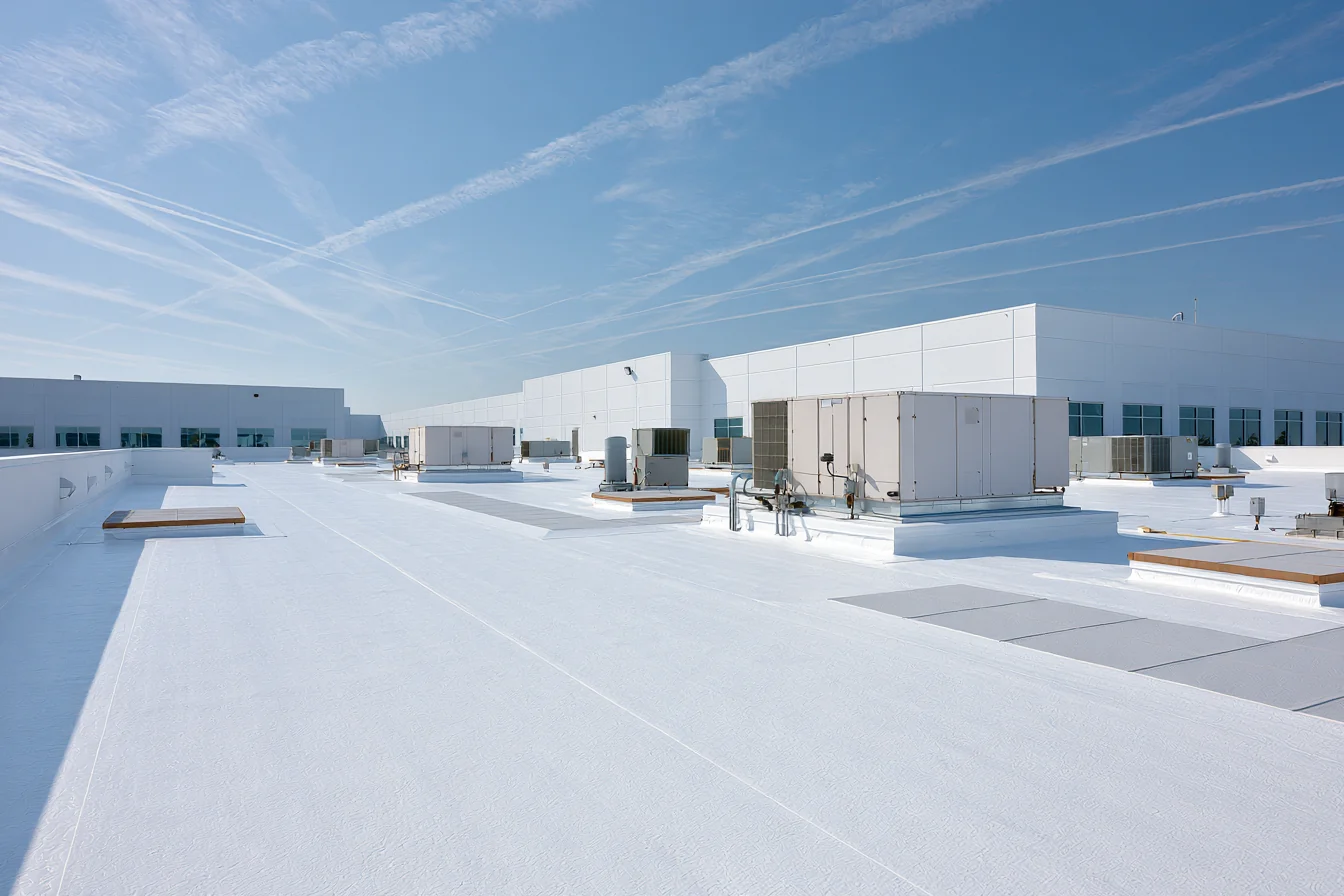
For a commercial building, drains, scuppers and roof-mounted equipment create additional details. Use a contractor with the actual system experience and applicable work authorization.
Common questions
Does a new roof fix every gutter overflow?
No. Gutter condition, outlets, obstructions and discharge can need their own work.
Should the roof and gutter work be in one contract?
They can be combined or coordinated separately. The important point is clear responsibility for the connected details.
Find companies for the work.
Explore actual roofing services, business details and Google review totals in the directory.
Browse roofing companies