Look beyond the ceiling stain
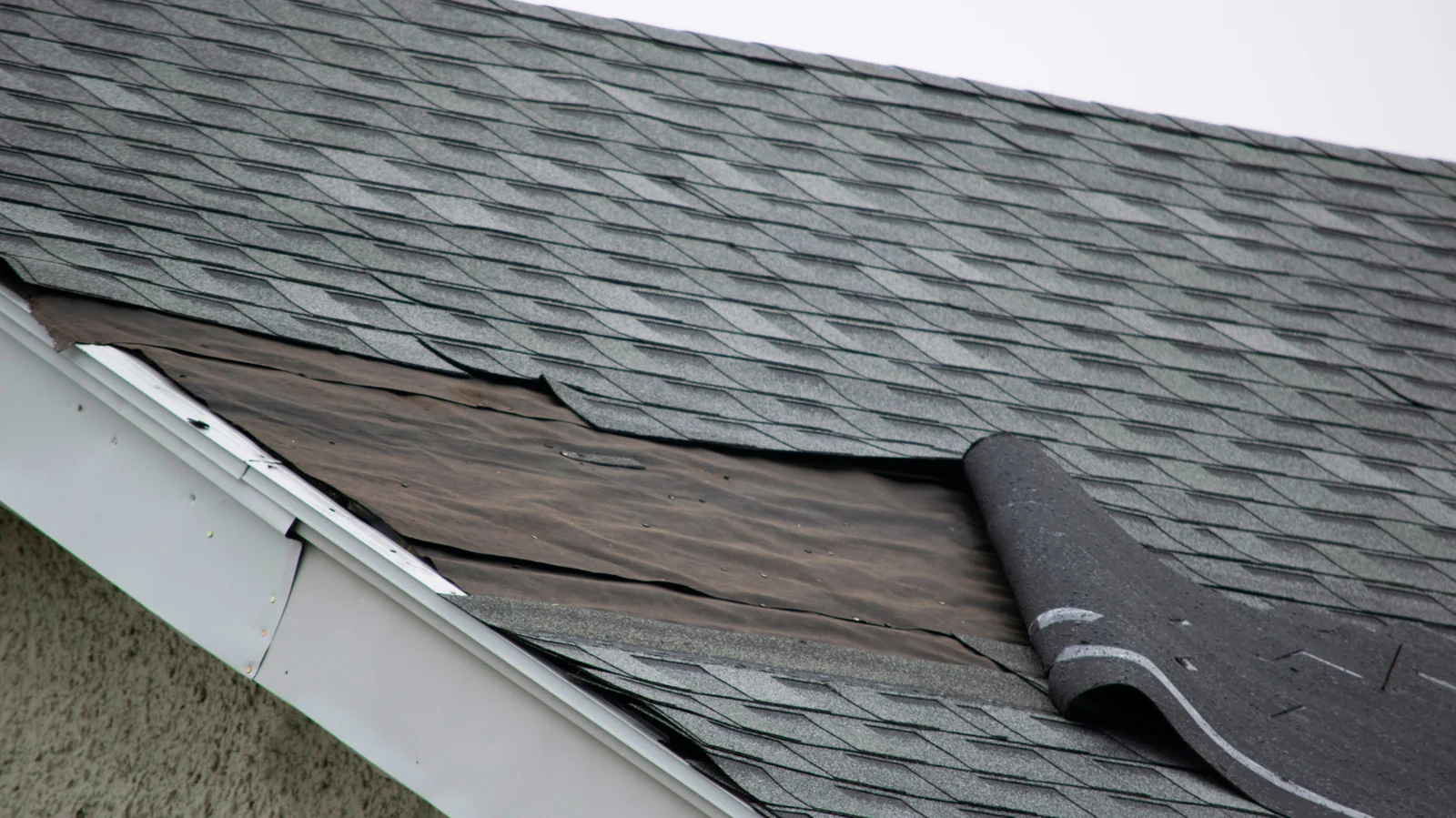
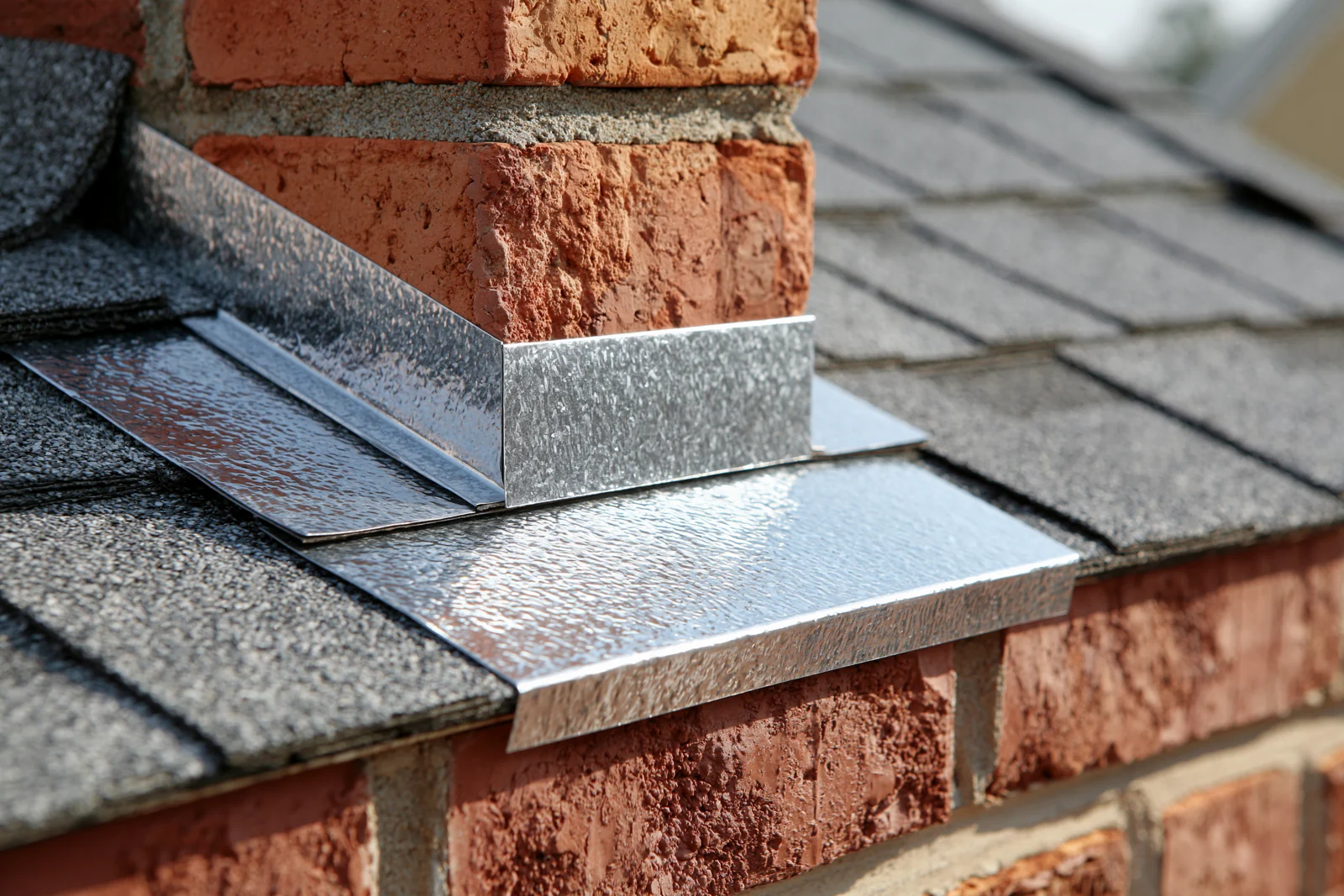
Water can enter at the covering, a wall connection, a penetration or the transition from a steeper roof. It may travel before appearing indoors.
A useful assessment considers the path of water and the condition around the detail. Patching the surface nearest the stain may miss the opening.
Slope and drainage influence the assembly
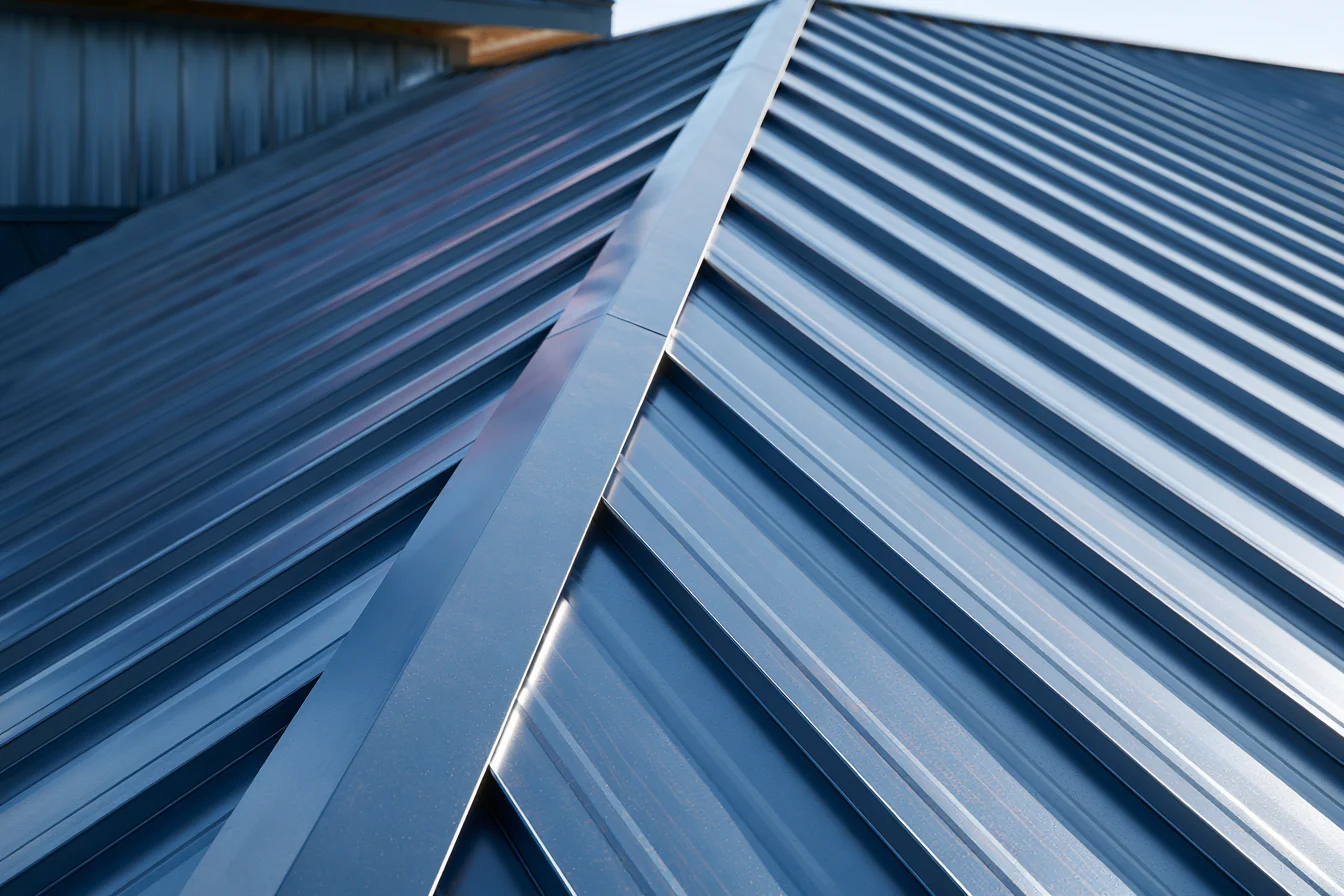
A low-slope roof needs an appropriate covering and details for its actual design. Materials used on the steep main roof should not automatically be extended across a flatter addition.
Drainage and roof-to-wall connections also matter. A repair cannot reliably compensate for every underlying drainage or structural problem without identifying it.
Choose actual low-slope capability
A company that installs residential shingles may also offer membranes or metal, but that capability needs to be established. Use supported system information to find a suitable starting point.
The proposed repair should explain material compatibility, how it connects to the existing roof and whether underlying damage needs attention. Temporary protection and permanent work should remain distinct.
Coordinate the rest of the building
Changes to the roof form or structural members may involve a different scope from covering repair. Guttering, siding and wall details can also meet the work area.
A clear agreement identifies which trades handle those parts and how new findings are approved. The goal is a complete water-shedding detail, not another unexplained patch.
Common questions
Can the same shingles from the main house always cover an addition?
No. The actual roof slope, product requirements and assembly determine suitability.
Does every shingle roofer repair low-slope membranes?
No. Confirm the specific material and repair capability instead of inferring it from residential roofing service.
Find companies for the work.
Explore actual roofing services, business details and Google review totals in the directory.
Browse roofing companies