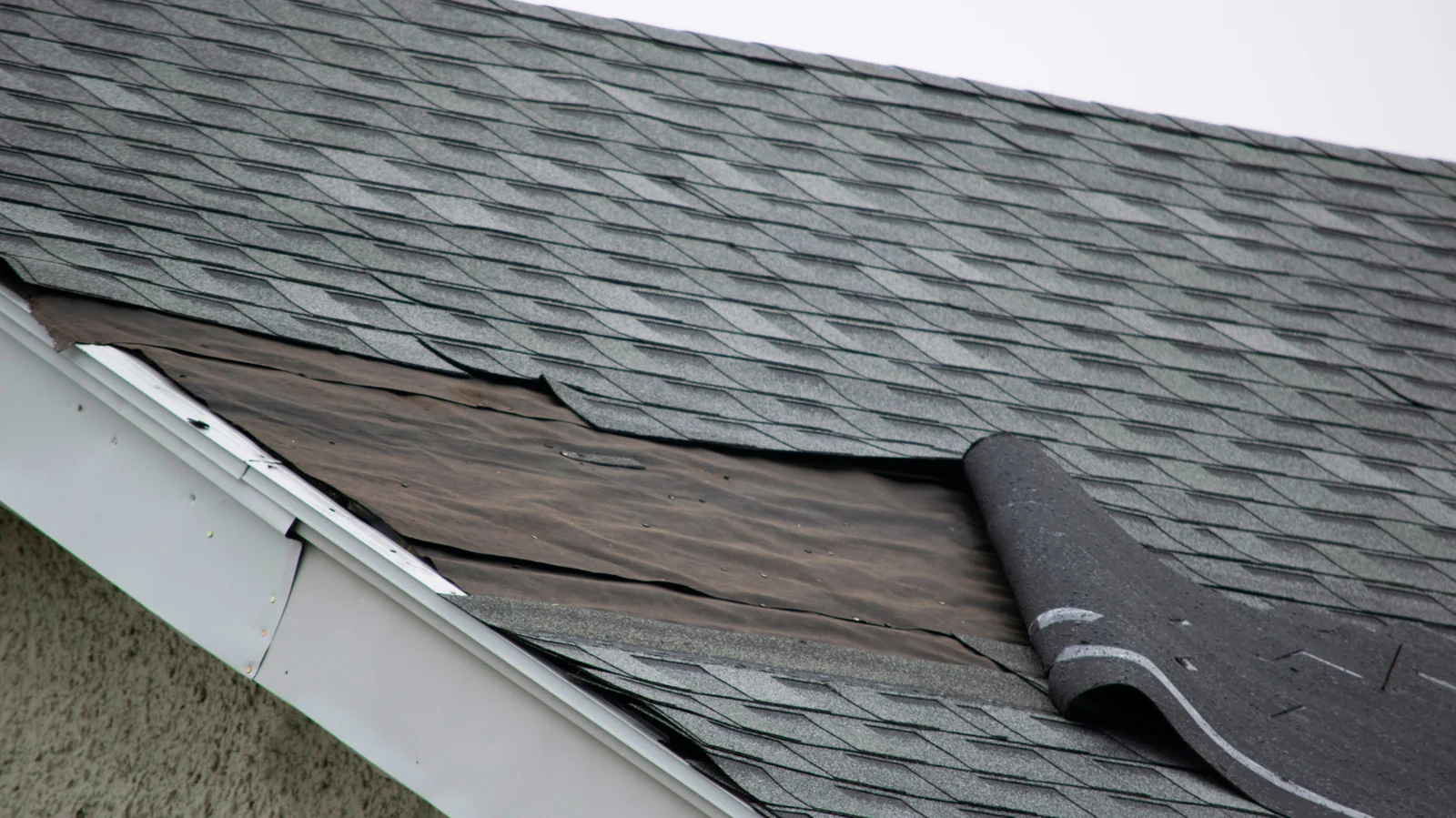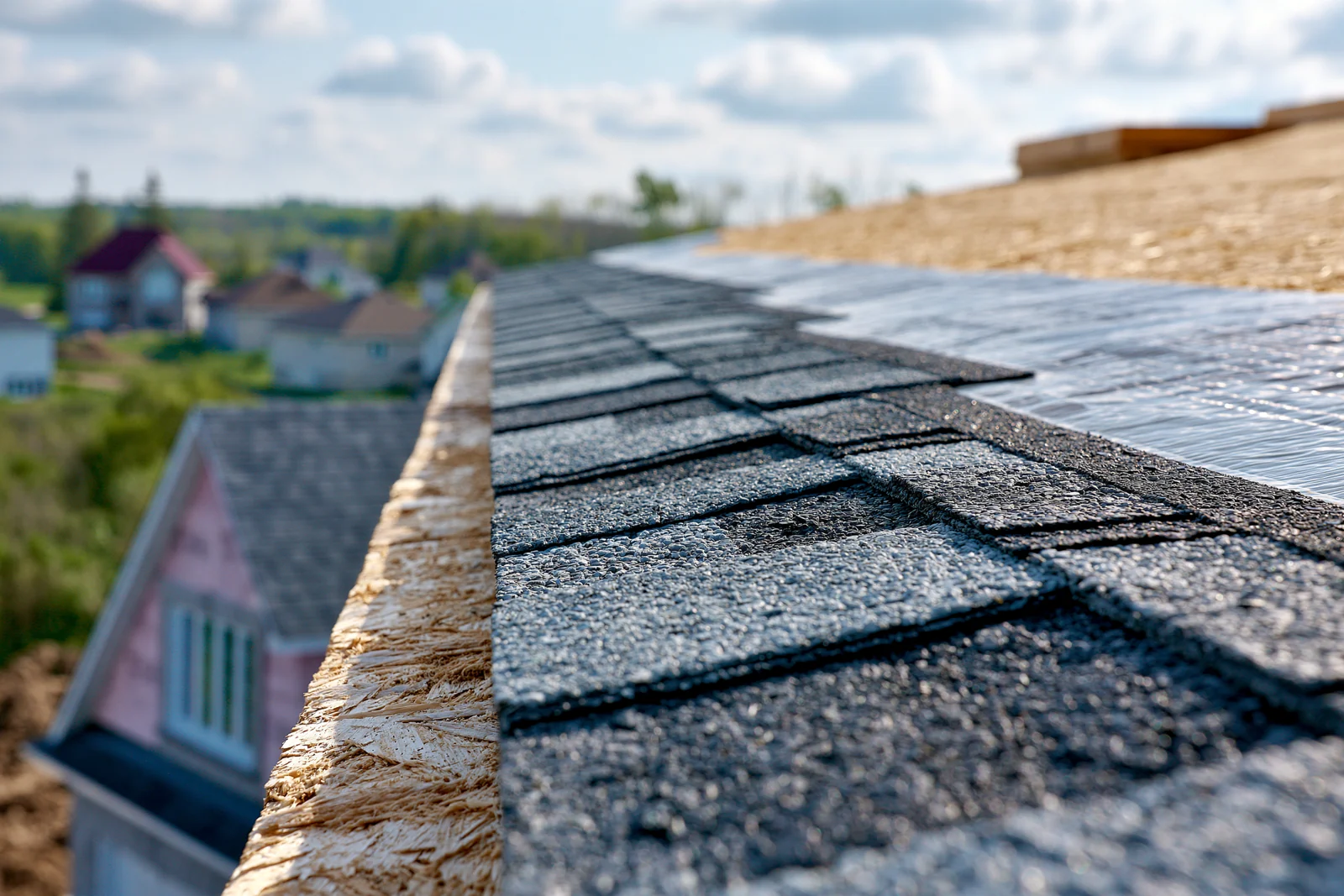
Find the source of the moisture
Water may enter through a roof detail, while moisture can also move into an attic through air leakage or other building conditions. The assessment should distinguish those paths.
A stain or damp material does not automatically identify which repair is needed. The timing, roof condition and attic assembly help professionals investigate it.
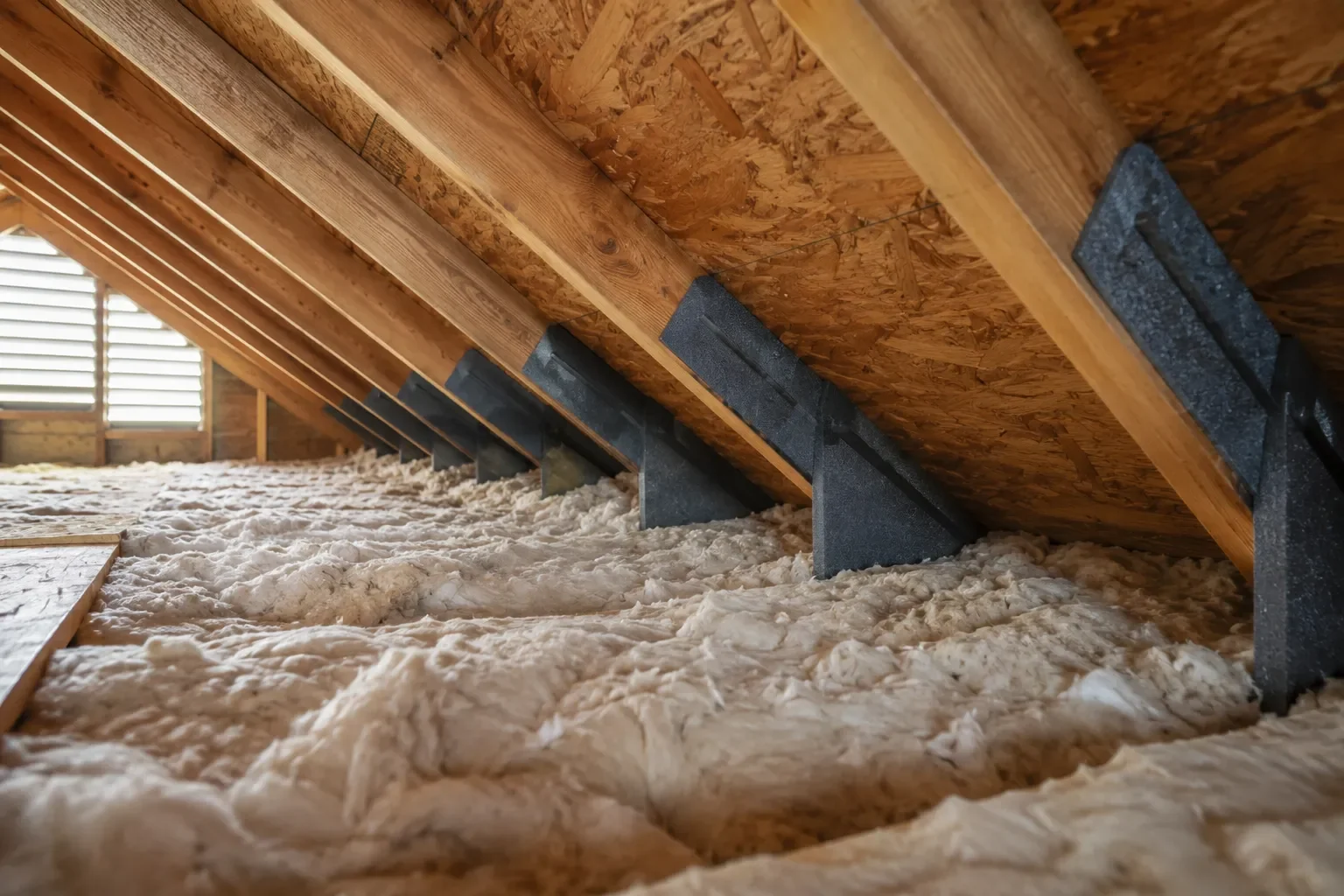
A vented attic needs a working path
Intake and exhaust need to function with the attic's design. Blocked paths or poorly coordinated vents can limit the intended airflow.
Adding a powered exhaust device is not a universal solution. The building needs to be assessed so that the proposed work addresses the actual condition.
Insulation and air sealing matter separately
Insulation limits heat transfer, while air sealing addresses unwanted air movement through the building boundary. DOE considers both alongside ventilation in attic durability.
A new roof covering does not automatically correct those issues. The work agreement should identify the roof and attic scopes and who handles each.
Make the repair and follow-up clear
If water entry is found, the repair needs to address the roof detail and affected materials. If attic moisture has another cause, the recommended building work should explain why it helps.
Keep the findings and completed scope for future reference. Avoid a promised energy-saving percentage or an assumption that one vent product cures every moisture problem.
Further reading
Common questions
Does attic moisture always mean a roof leak?
No. Condensation and air leakage can be involved as well. The source needs to be investigated.
Does more ventilation always solve the problem?
No. Attic design, intake/exhaust paths, insulation and air sealing all matter.
Find companies for the work.
Explore actual roofing services, business details and Google review totals in the directory.
Browse roofing companies